5 Tips To Gently Homeschool With A Newborn
As a Mum of Four who has homeschooled with two newborns at separate times, I am going to share 5 tips to gently homeschool with a newborn. I hope that this post encourages you as you navigate this brand new season.

I understand how tricky it can be to make the decision to keep homeschooling amidst having a newborn in the house.
I also understand how important it is to be gentle on yourself as the mother. Apart from looking after the baby, this takes priority in the early days of postpartum.
If you are just starting out homeschooling and you have a newborn in tow, I commend you. If you have been homeschooling for a while and now you have a new baby to trial some kind of new normal with, then well done.
I can honestly say that homeschooling with a brand new baby has been one of the hardest seasons of my life. I speak a bit about my journey of enduring a tormenting mental break down after having my fourth baby and the changes I needed to make to manage.
Even though I have 5 tips to give you, my biggest piece of advice is to take it slow and be kind to yourself.
I did not do a good job at taking it as easy as I should. We have this self-imposed expectation that we must meet everyone’s needs at the detriment of our own. But the cliche truth is: we can’t pour from an empty cup.
Before I share my 5 tips to gently homeschool with a newborn (and trust me, you will want to read them because I know they will be helpful!), let’s talk about what is going on with our postpartum bodies and why it matters.
What I will cover in this post
- Why postpartum is critical for self-care
- Some ways to stay nourished in postpartum
- 5 tips to gently homeschool with a newborn

Why Postpartum is Critical for Self-Care
Your hormones perform a dance in postpartum.
Once you give birth, your hormones, estrogen and progesterone (which were at an all time high during pregnancy), will drop. On the other hand, the hormone, prolactin will increase, due to the demands of breastfeeding (inevitably that will shift over time if you choose not to breastfeed).
Oxytocin remains high in postpartum as it did in pregnancy and is dependent on your interactions (e.g. if you hold your newborn all the time, your oxytocin levels will remain high).
All of these hormone shifts happen within the first six weeks after birth. I share more on this in my post 20 Foods to Support Your Postpartum Hormones.
With all of these changes, without considering physical healing after birth, this is why it is important to take it slow in those first few weeks.
Some Ways to Stay Nourished in Postpartum
I know you didn’t click on this post for postpartum nourishment, but I’m a Holistic Nutrition Consultant for Pregnancy, Postpartum and Babies, so this is super important to keep in mind.
Here are some tips for nourishment:
- Eat foods that are soft, warm and easily digestible (for blood circulation, muscle recovery and healing).
- Stay hydrated (drink herbal teas – especially rosehip, nettle and red raspberry leaf, drink labour aid, infuse fruit in water and keep a large bottle with you whenever you nurse your baby).
- Eat nourishing snacks in between meals (recipes here).
- Eat protein in every meal (great for muscle recovery and blood sugar).
For more postpartum nourishment tips and why it matters, I wrote a book all about it. You can find it here.
5 Tips to Gently Homeschool with a Newborn
If I could narrow down some tips to homeschool with a newborn, it would be these 5 tips:
- Before you give birth, talk to your spouse/partner about what you want to do in this season (if you are reading this and you already have a newborn, still have the conversation). It might be that you want to give homeschooling a break for the first month or two or you would rather not pivot the routine and just strip back a little. Either way, have a conversation where you and your spouse are on the same page and he can support you according to your loose plan.
- Be flexible. If you are a routine-oriented person, you will probably find this hard (like me!). But it is better to come into this season knowing that one day will not look like the next and that’s okay – that’s newborn life. Have a loose plan and if you only get through a small portion of it, consider that a win. As your baby gets older and starts to get into a routine, things will get easier (trust me! It’s a hard slog at first though).
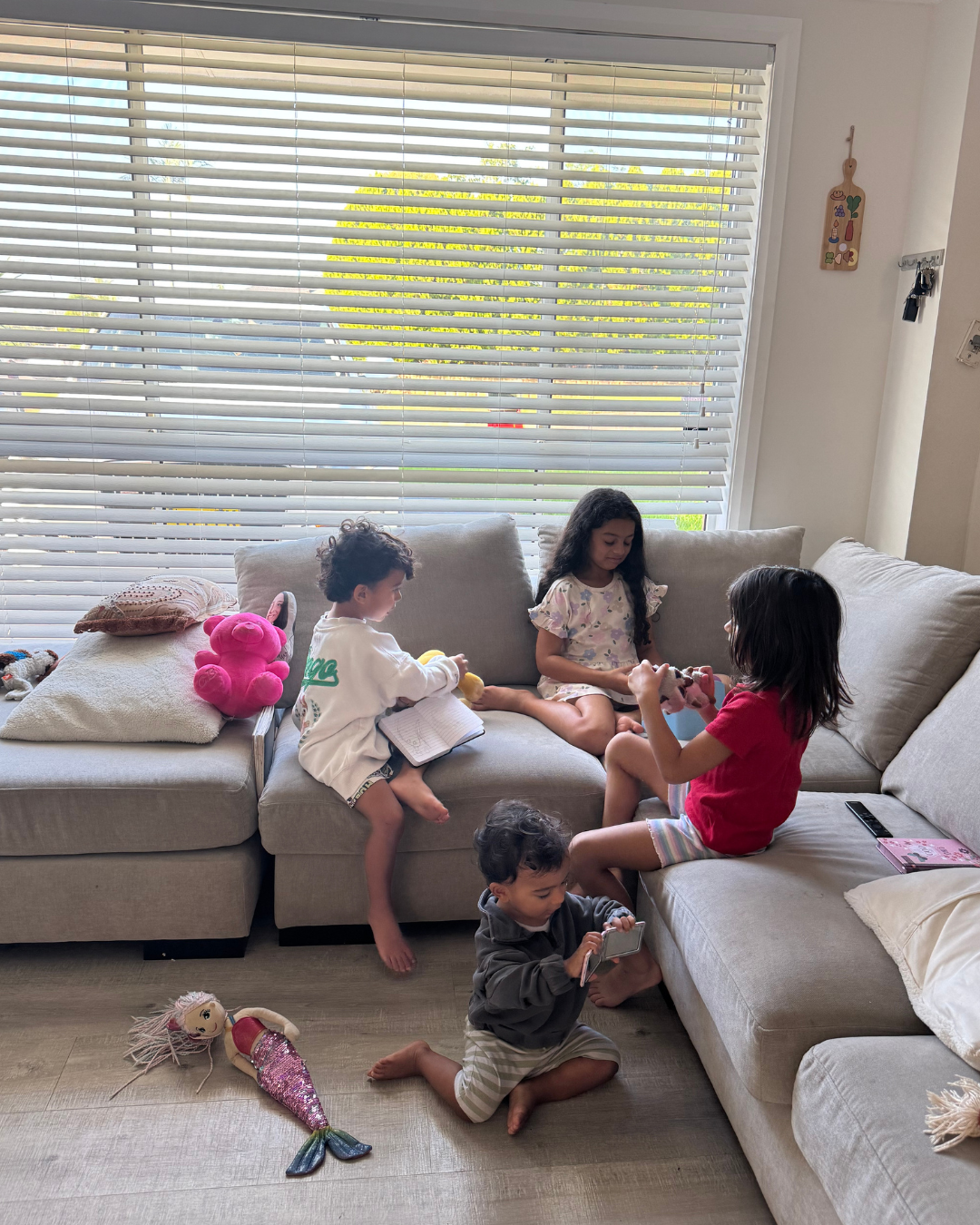
- Be clear about the expectations to your older children. You want things to remain as constant as they can be for your children, so setting the expectation early is key. Sit them down. Tell them that things will look different for a little while. Be clear on what they should do every day to help (age appropriate of course). And be gentle with them. They are adjusting to a new baby too.
- Have activities for your older children to do independently. Print out find-a-words, cloze activities, Maths questions and problems, craft activities and writing prompts for your children to do independently. These will help tremendously. My favourite site is Twinkl (Australian).
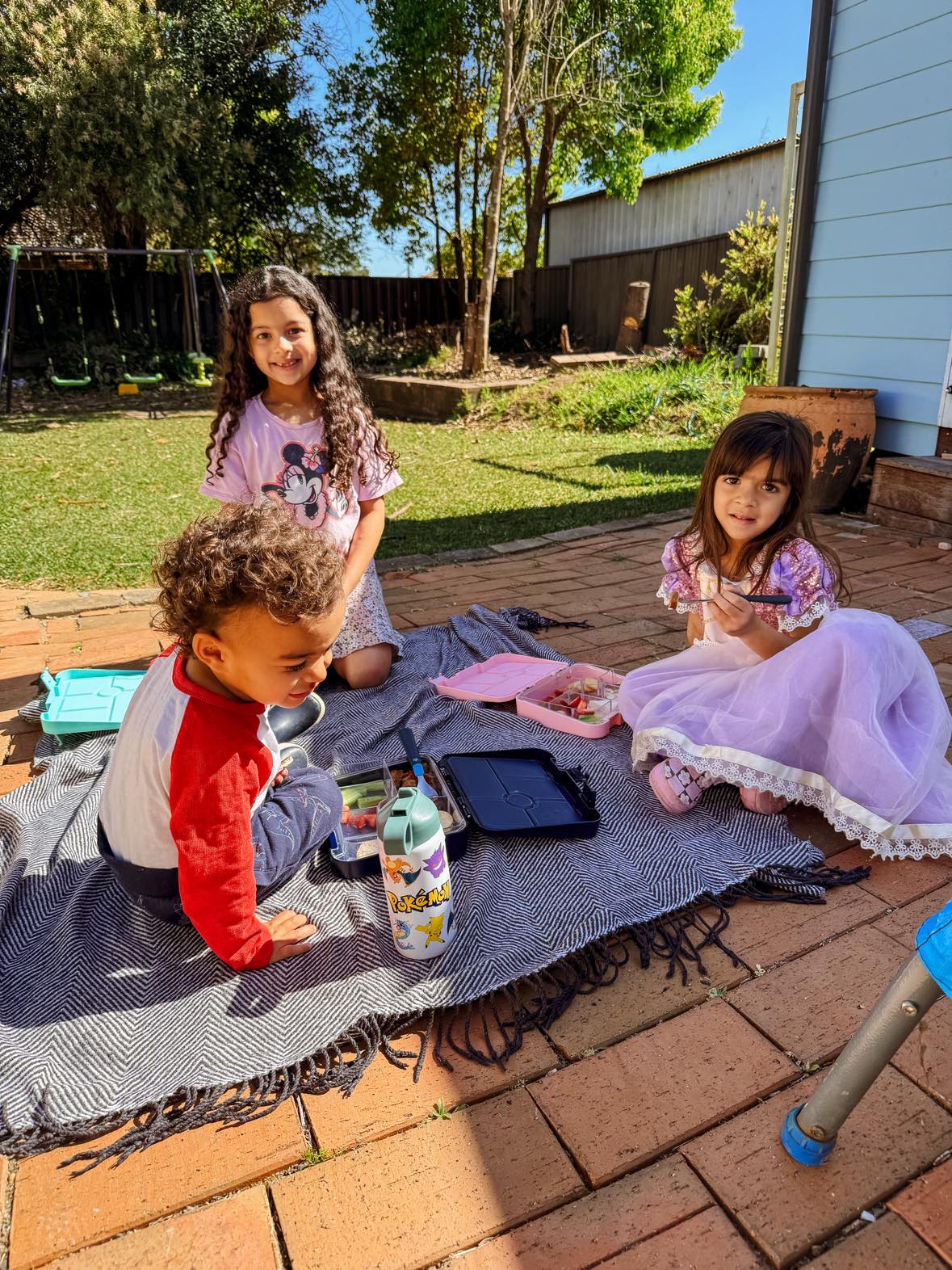
- Get outside as much as you can (if it’s weather appropriate, of course). In those early days, I found that my older children who were not getting as much of my attention just needed to play outside. This helped ground me and settled my newborn too. Whenever my newborn was fussy, getting outside would often help (both of my boys were born in the summer, so the early mornings and late afternoons were ideal for outside time).
Honestly, these are just some ideas that come to mind that truly helped me in those early days.
I would also add combining lessons to do together helped alleviate the workload and allowed us to be together as a family more!
Be gentle on yourself and remember that this season does not last forever, so if you need a break, I give you permission to do so.
What is one thing that you think you will do in the newborn season while homeschooling?