20 Foods To Support Your Postpartum Hormones
Your body goes through a change in hormones once you have a baby. Here are 20 foods to support your postpartum hormones.

After you have a baby, whether it is your first or your fifth, your hormones shift in different ways.
Eating the right kind of food for postpartum can play a huge role in how well your hormones work.
After having my first two babies, I did not know the value of eating the right foods to support my postpartum hormones. After I studied holistic nutrition and then went on to have my third baby, I knew what foods were best to eat and I felt so much better, physically and mentally.
This is how I want you to feel, mama! Here is how I make the comparison.
You could either feel depleted, more tired, weary, lethargic and constantly hungry.
OR you could feel nourished, full, energised, contented and tired but motivated.
The difference between those two circumstances is nourishment.
I am going to share 20 foods to support your postpartum hormones, but let’s first tackle what our postpartum hormones are doing.
What I will cover in this post
- What happens with our hormones in postpartum
- The best postpartum practices to support our hormones
- 20 foods to support your postpartum hormones
What happens with our hormones in postpartum
Once your placenta exits your body (whether via vaginal birth or c-section), your body immediately experience a hormone drop.
The hormones, estrogen, progesterone, oxytocin and prolactin are effected. Firstly, your estrogen will drop, leading to mood swings and fatigue.
The high progesterone levels you experienced during pregnancy will also drop. This will help to eliminate some of the pregnancy symptoms you felt, like bloating and constipation. However, the sudden drop in progesterone has been a contributing factor to sadness (typically the baby blues) and for postpartum depression in some mothers.
Prolactin increases during postpartum to produce breast milk. The more frequent you nurse and produce milk, the higher your prolactin levels will be.
Oxytocin remains high in both pregnancy and postpartum. It will fluctuate depending on your interactions with your newborn. For example, if you hold your newborn constantly, your oxytocin levels will remain high and produce warm feelings toward your baby.
These hormone shifts all happen within the first six weeks of giving birth. So be kind to yourself and take it slow as your body adjusts and slowly gets back to its pre-pregnancy state.
The best postpartum practices to support hormones
In many Eastern cultures, they take postpartum care very seriously.
The mother is seen as the Queen and is respected in the highest esteem. Women in the family and sometimes from the community would come to relieve the new mother from all her duties, would take care of her, feed her, nurture her as she rests and looks after her newborn.
While our western culture does not place as much of an emphasis on rest, communal support and nourishing foods, we can start to make small changes in educating women about the importance of postpartum care.
Here are three things I would suggest a postpartum mother do in the first week after birth:
- Rest as much as you can (even if you want to go back to your regular routine). Rest is vital to healing, especially if you have had a c-section or traumatic vaginal birth. Rest also helps your body recover and revitalise the body after birth.
- Eat warm, nourishing foods. Try to stick to foods that are warm, soft and easily digestible. These foods will help aid digestion and also believed to help with blood circulation.
- Stay hydrated more than you think. Drink lots of water, herbal teas, fruit infused in water. Limit caffeine intake where you can.
Read 15 Postpartum Practices I recommend for more support.
20 Foods to Support Your Postpartum Hormones
During postpartum, you want to be eating food that sustains your hunger, stabilises your blood sugar and provides lots of nutrients beneficial for postpartum.
These are the nutrients that are important for postpartum healing:
- Vitamin D3: for reduced risk of postpartum depression and healthy thyroid function
- Omega 3: for healthy stress regulation and reduced risk of postpartum depression
- Probiotics: for strong immunity, healthy digestion and reduced risk of mastitis
- Choline: supports liver health and baby’s brain development
- Iodine: supports proper brain and nervous system function and supports healthy thyroid function
20 foods to support your postpartum hormones:
- Eggs
- Beef liver
- Fish (salmon, sardines, mackerel)
- Sauerkraut
- Plain yoghurt
- Cottage cheese
- Whole milk
- Chia seeds
- Cacao
- Red meat
- White meat
- Lentils (sprouted preferably)
- Chickpeas
- Coconut (especially cream and oil)
- Butter (grass-fed preferably)
- Oats (soaked preferably)
- Nut butter (almond, peanut, cashew)
- Buttermilk
- Pumpkin
- Avocado
There are plenty of ways to incorporate them into meals:
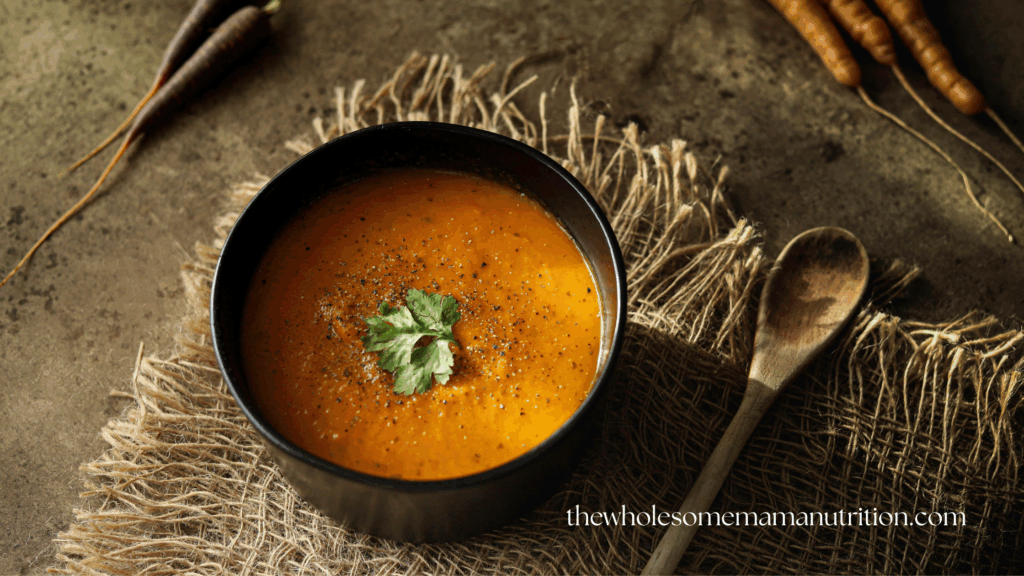
- Soups
- Stews
- Overnight oats
- Porridge
- Congee
- Slow cooked meals
- Curries
- Breakfast burrito
- Sourdough sandwiches
- Sandwich melts
- Roasted meals
If you are preparing for postpartum, make sure to check out some of my other postpartum posts:
Nourishing labour aid for birth