How To Do ‘Quiet Time’ With Your Kids (All Ages)
If you are a homeschooling family like us or have little ones, then quiet time is essential for peace and order in the home. Here is how we do quiet time in our family (feel free to steal our method).
Quiet time has always been a non-negotiable in our home. It has looked slightly different in changing seasons (newborn season, sickness etc.), but for the most part, it has been a game changer for our family.
Currently, I have four children ages eight, six, three and one. The one year old still naps while the other three have independent quiet play time.
Each of my children have gone through seasons of embracing quiet time and seasons where they refuse and would rather play with their siblings. Either way, it is important to be firm on your quiet time rhythm and grant a reward if needed.
In the past, I would let my children have some TV time as a reward after quiet time, however we no longer watch TV during the week days, so sometimes the reward may be a little treat.
If your child refuses quiet time, the more consistent you make it, the more he or she is likely to adapt to it and eventually embrace it. At least, that has been our experience so far.
Why Should You Implement ‘Quiet Time’?
I believe that there are four reasons you should do ‘quiet time’ in your family.
- It acts as a timestamp that resets the home: Quiet time usually happens after the morning noise (homeschool, play, housework) and transitions over to the afternoon which is usually more calm and quiet.
- It helps to regulate everybody’s emotions: like having an afternoon nap, which helps to reset your body physically and emotionally, I believe quiet independent play time can do the same.
- It gives the mother a break: if you are a stay-at-home mama, quiet time gives you a chance to put your feet up and relax or do something meaningful. Since we are up on our feet all day, us mamas need a break too.
- It helps kids to tolerate boredom and get creative: this is probably my favourite reason. A child who knows how to play independently, without external entertainment, is a well-adjusted, content child.
There are many other reasons I can think of, but if these reasons have not yet convinced you, then nothing else will!
How Should You Implement ‘Quiet Time’?
Many families will have different variations of quiet time, but this is the way our family does it.
Most days, after we have had lunch, I will do a quick tidy up with the kids and put the baby down for his nap.
I will set a timer for 20 minutes of quiet reading. My kids are allowed to sit anywhere they like to read.
Once the timer goes off, I will assign the children to a room (I rotate them to make it fair). For my younger children, I often give them options of things to play with (e.g. blocks, puzzles, magnet tiles.)
For my older children, they get to pick whatever activity they choose, as long as it is quiet.
I set a timer for 1.5 hours. They are not allowed to come out of their room for that duration, unless they need to go to the toilet or get some water.
During this time, I like to work on the blog, write to my email list or do some housework that I did not get time to do. I leave my reading and leisure time for before bed. Some mothers would rather sit back and do something relaxing.
Once the timer goes off, the kids will play together for the rest of the afternoon until chores and dinner. I find that the quiet time helps them to enjoy each other’s company even more.
At What Age Should Kids Start ‘Quiet Time’?
I believe that kids from any age should begin.
For example, my baby (who is almost 18 months) has always been a cat-napper. Once he has woken from his very short nap, I don’t get him out straight away. I will leave him in there until the timer is up. Or if he is upset, I might come in and give him a toy to play with or some books to read.
He will cry sometimes, but if I put on some music for him, he will contentedly stay in there for a while longer.
You can also implement quiet time for older children if you did not start when they were young. You may need to give them a few options of what to do at first, but over time, they should find things to do on their own.
How Long Should Quiet Time Be?
I think the standard quiet time duration is about two hours.
However, since my kids are still young, we do it for 1.5 hours.
If you have only toddlers, start with 20-30 minutes, and every few days, increase the time by 10 minutes. Over the span of a week, they should be able to do it for 1.5 hours if you are firm and consistent.
What If Your Child Refuses Quiet Time?
Like I mentioned, I have had one child who refused quiet time, even up to age 6. She would only want to play with her siblings.
I believe that this was because we took a break from quiet time after I had my fourth (a bit too long of a break, I might add).
When I realised that she was getting frustrated by her sister wanting to play independently without her, I began implementing quiet time again, and soon enough, she enjoyed playing by herself too.
Some Great Quiet Time Activities For Each Age Group
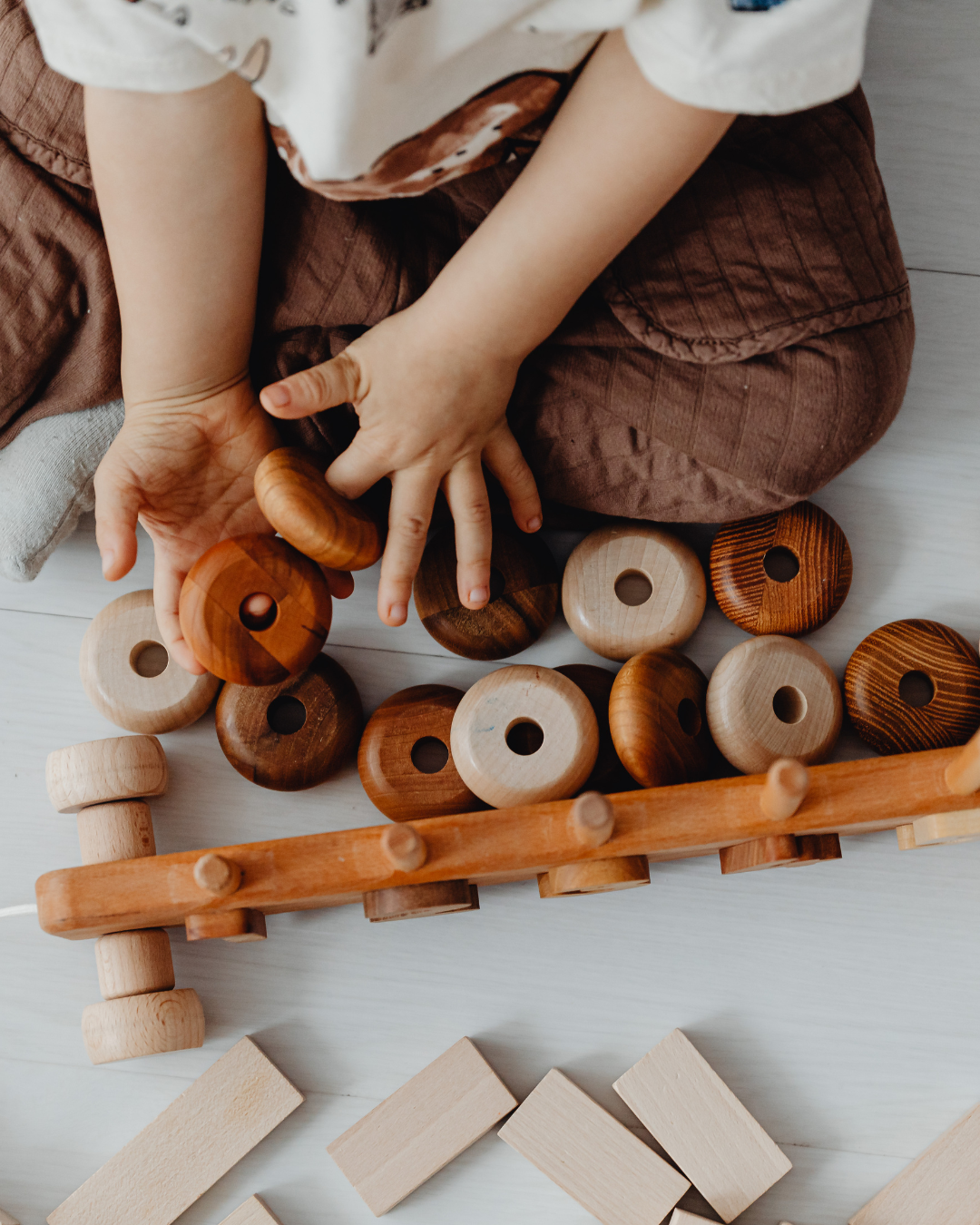
Toddlers: books, magnetic tiles, sensory bins, soft toys, Duplo blocks, independent play baskets (rotate toys in them each day).
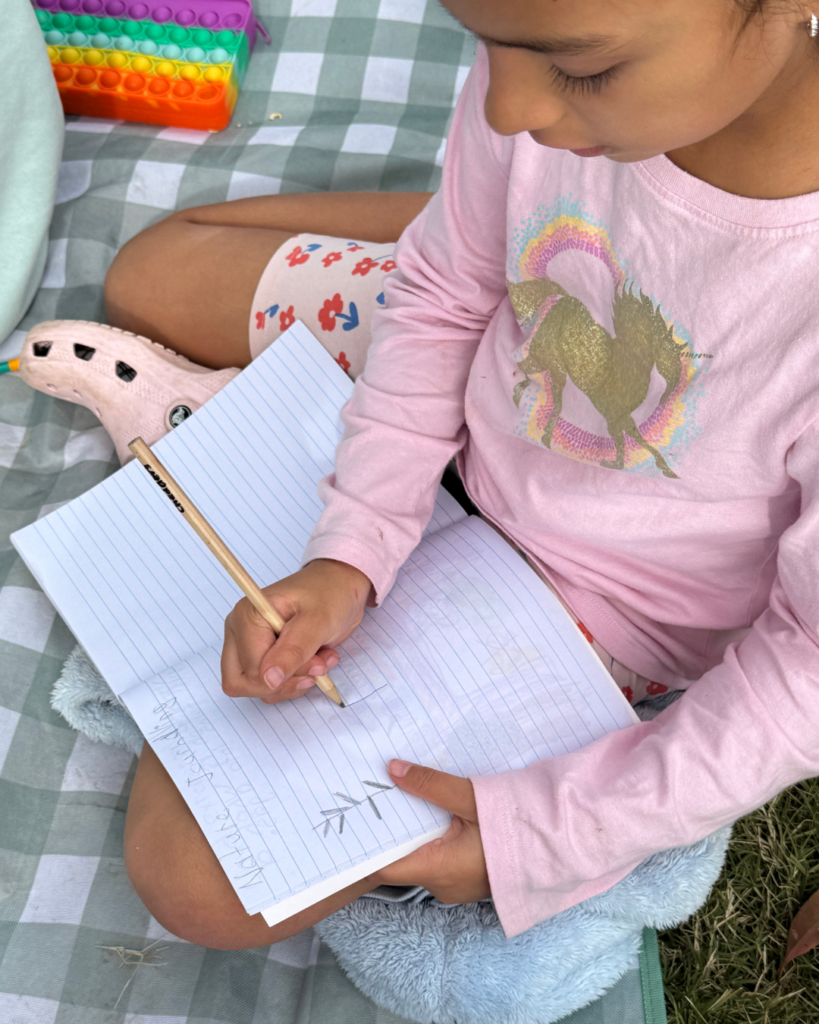
Children (ages 5-12): books, audiobooks, puzzles, LEGO, sticker books, dolls, barbies, action figures, colouring in books, journaling.
Teens (ages 13>): books, audiobooks, problem-solving books, quizzes, drawing, sewing, knitting, LEGO, learning magic tricks, model building, creative writing, journaling.
My encouragement for the mother starting out: start small and show grace, while being consistent and firm. It will soon become a game changer for your family, too!