Ditch The Diets and Learn How To Nourish Your Body
Are you tired of following diets with little to no results? Do you need a mindset shift when it comes to eating food? Let me share with you how to ditch the diets and learn how to nourish your body with these practical tips.
As an Amazon Associate I earn from qualifying purchases. If you purchase an Amazon item from the links below, I earn a small commission at no cost to you. Read more about my T&C’s here.
I understand how confusing it is to know what foods you should eat and what foods you should avoid. The fact that I am placing the word ‘should’ in that sentence is already a problem.
Diets come and go. Sure, they can be great for some people some of the time. But the truth is, diets often come in the form of trends. Trends come and go.
The ‘no fat’ diet was big in the early 2000’s.
The paleo diet was big 10 years ago.
Now we have the keto diet and the vegan diet.
These are just rough timelines. I’m sure these diets were around way before the timeframes I’ve mentioned, but you get my point.
Hear me out: these diets are not bad by any means (I would definitely argue against a low fat diet though). I know that they help certain people in certain seasons of life. For example, a person who does not tolerate dairy or processed foods might find the paleo diet helpful.
But there is one way you can ditch the diets and nourish yourself that will work for EVERYONE. And that is eating whole foods.
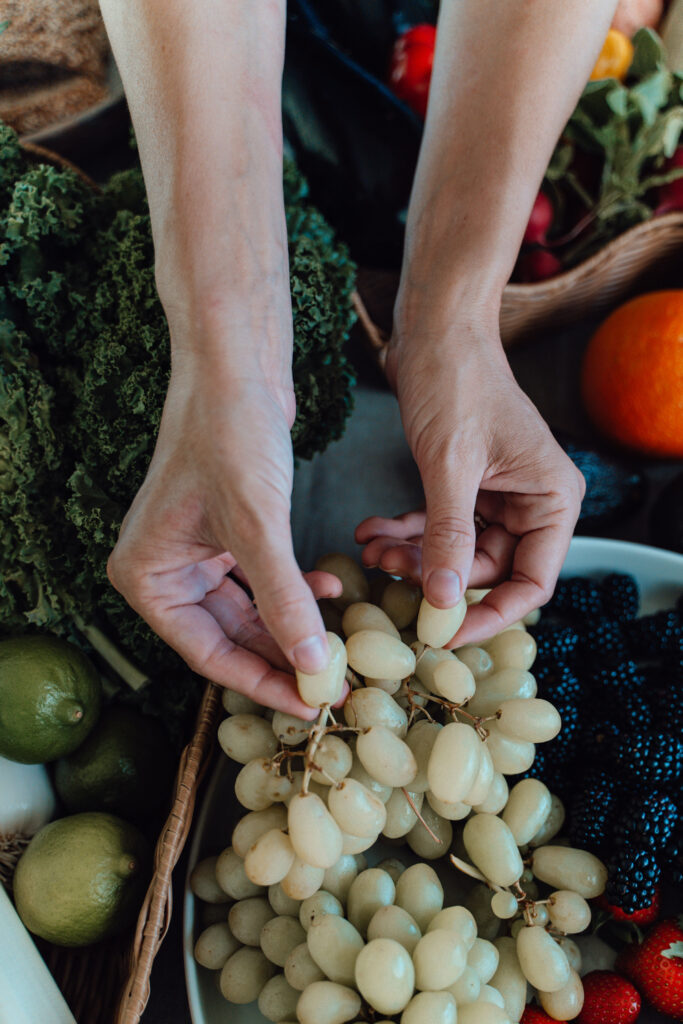
The incredible thing about whole foods is that it is just real food, no additives, nothing processed, no artificial colours or flavours. Food in its purest form.
Now, these days, our farming practices are poor and unsustainable, so unless you are eating purely organic food, then it can be tough to know how close to nature your food is.
Either way, eating whole foods, organic or not, is a much better and more effective way of eating than a diet of lots of processed, sugary foods.
What I will cover in this post
- Ditch the diets
- How to nourish yourself with whole foods
- Some whole foods recipes and snack ideas

Ditch the diets
I will preface this by saying that if you have been given advice from your doctor or medical professional about following a particular diet for a reason, then please don’t ditch your diet.
However, if you want to lose weight or stay healthy overall, then there is no need to follow a particular diet. Eating simply whole foods and cutting out processed foods will help you tremendously.
I speak from experience and from the experience of other people I know. For me personally, I have followed a mostly whole foods diet for my entire adult life.
Of course, there are plenty of times I eat fast food or my favourite chocolate treat. I do believe in balance and enjoying ‘fun’ foods where possible. However, because I eat mostly whole foods, I believe it is important not to be restrictive about it.
Diets should only be temporary. Whole foods should be a lifestyle.
People who follow diets do not usually stick to them in the long term. Sometimes it is because they have achieved their goal from following the diet in the first place. Other times it is because it was only a short term fix. And other times (I would say most of the time), it is because they give up.
Of course, as mentioned, there are exceptions. My daughter is coeliac, so she must stick to a gluten-free diet for the benefit of her health.
If you, however, do not have any medical reasons for eating a certain way, then start by eating whole foods and you will see how quickly it becomes a lifestyle.
Eating whole foods is sustainable in the long term.

How to nourish yourself with whole foods
Let’s start by clarifying what I mean by whole foods.
Whole foods is food in its purest form.
Think fruit, vegetables, meat, eggs, milk, nuts, seeds and grains.
I like to include full cream plain yoghurt (with no sugar) in my diet and call that a whole food.
I also like to eat cheese, but many people would say that even a whole block of cheese is processed. I love adding cheese into meals, so I call that a whole food.
Then we start going a little deeper. How about bread? If your bread is made from whole grains, contains some kind of saturated oil (olive, avocado or coconut) and some sea salt, I would call that a whole food. Even though it is made from various ingredients, none are processed.
Little side note: this is why it is important to read your labels at the grocery store, so you know what is inside your food!
But if we take a can of baked beans and it consists of tomato sauce with additives, preservatives and added sugar, then that would not be considered a whole food. Anything created in a factory is not real, therefore, is not a whole food.
How to nourish yourself with whole foods:
When we divide our meals, we must look at the ratio of each macronutrient. Each meal should have a whole carbohydrate (think sweet potato, brown rice, sourdough bread), a protein (beef, meat, tuna) and a fat (extra virgin olive oil, avocado, nuts).
For a meal to be balanced, it should have some micronutrients also. If you are eating whole foods, your meal will naturally consist of different micronutrients (e.g. Vitamin A found in carrots and sweet potato and Vitamin D from milk and fatty fish).
I don’t like to use measurements or count calories, so my rule of thumb is that when I am serving a balanced meal, is that the protein should be about the size of your own fist.
The wonderful thing about eating balanced meals is that you typically should not get too hungry in between meals and require snacks. Now, I am not against snacks at all! However, if you are eating mostly processed foods, then you will typically crave more food in between meals, because of the lack of nutrient value and high sugar value.
As a woman, we go through our four monthly cycles. I have been learning about the importance of eating for each cycle. This book was really helpful for me in discovering this!
What I typically eat in a day (as a breastfeeding mother of four):
Breakfast: a balanced smoothie with whey powder, banana, avocado, cacao powder, chia seeds, almond butter, milk, honey and ice or three poached eggs on sourdough bread.
Lunch: Leftovers from dinner (e.g. rice dish with meat and vegetables), a balanced tuna/chicken salad sandwich or a burrito bowl.
Dinner: Meat (roast chicken, beef brisket, slow cooked lamb, beef sausages) with roast or steamed vegetables or a vegetable packed lasagna or pasta or burrito bowl or stir fry (these are the meals on rotation right now).
Now let’s get to some whole foods meal and snack ideas!

Some whole foods recipes and snack ideas
Some meal recipes I love:
Hearty and Nourishing Chicken Noodle Soup
Mediterranean chicken tray bake
Some snack ideas:
Bliss balls
Apple slices and peanut butter
Veggie sticks and hummus
Baked pears coated in coconut oil and cinnamon
Boiled eggs and vegetable sticks
Remember it’s all about keeping things in perspective and not being too hard on yourself if you eat processed food or a bit too much of that dessert! It’s a lifestyle, which means there are always exceptions and no need to be strict on it! Food is to be enjoyed!
Let me know in the comments if you follow eat a whole foods diet and what that looks like for you!